


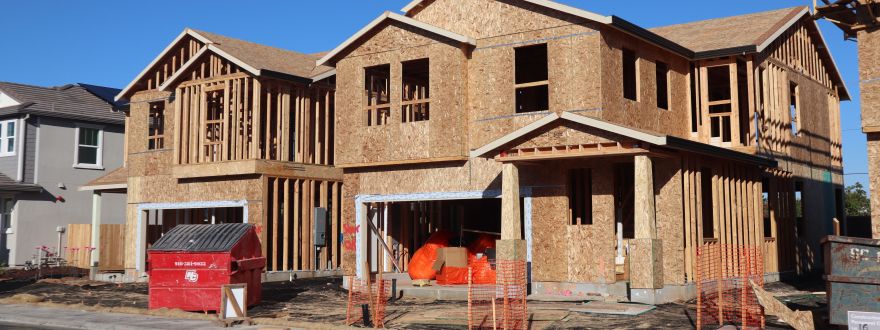
Buying a newly built home should bring peace of mind. The roof is new, the systems are new, the walls are freshly finished, and everything should be built to current standards. But a recent construction-defect dispute in Florida is a reminder that “new” does not always mean problem-free.
A July 2026 Insurance Journal article reported on a major lawsuit between the Seminole Tribe of Florida and Lennar Corp., one of the country’s largest homebuilders. According to the article, the Tribe alleges defects in more than 500 homes built across several Florida reservations, including reported water intrusion, roofing issues, ventilation concerns, mold, and other damage. Lennar has disputed the claims and said it is addressing the matter through the legal process.
Other reporting has covered similar allegations. CBS Miami reported that the Tribe claims hundreds of homes had issues ranging from mold to cracks, and WGCU reported that the lawsuit alleges defects across six reservations, including homes in Glades and Hendry counties. While this is an ongoing legal dispute, it highlights an important lesson for Florida homeowners: construction defects, moisture problems, and mold can become complicated quickly, especially when insurance, warranties, builders, associations, and legal deadlines overlap.
RELATED: Seminole Tribe sues Lennar Homes after alleging defective construction
Why Water Intrusion Is Such a Serious Issue in Florida
Florida’s heat, humidity, heavy rain, tropical storms, and hurricane exposure make water intrusion one of the most important issues for homeowners to watch. A small leak around a roofline, window, wall opening, plumbing line, or HVAC system can lead to much larger problems if moisture gets trapped inside the home.
The concern is not only the visible water damage. Hidden moisture can lead to mold, damaged drywall, warped flooring, deterioration of building materials, and indoor air-quality concerns. In the Seminole Tribe lawsuit, water intrusion and mold are among the central allegations being reported.
For Florida homeowners, the takeaway is simple: do not ignore stains, musty odors, buckling floors, soft drywall, recurring AC condensation, roof leaks, or unexplained humidity inside the home. These can be early warning signs of a larger issue.
Does Homeowners Insurance Cover Construction Defects?
This is where many homeowners are surprised. A standard homeowners insurance policy is not designed to act as a builder warranty. In many cases, faulty workmanship, defective construction, poor design, or improper installation may be excluded or limited under the policy.
However, the answer is not always simple. Some policies may provide coverage for resulting damage if the loss is caused by a covered event, while still excluding the defective work itself. For example, a policy may treat sudden and accidental water damage differently than long-term seepage, poor maintenance, or a construction defect that slowly causes damage over time.
Mold coverage can also be limited. Insurance.com explains that homeowners insurance generally covers mold only when it results from a covered peril, and many policies include specific mold limitations or exclusions. Sudden water damage, such as a burst pipe, may be treated differently than an ongoing leak, humidity problem, flood, or maintenance issue.
That is why it is so important to review your policy before a problem happens. Two homeowners can experience similar-looking damage but have very different claim outcomes depending on the cause of loss, policy language, endorsements, exclusions, deductibles, and how quickly the issue was reported.
Builder Warranty vs. Homeowners Insurance
When a newly built home has a construction-related problem, there may be multiple paths involved:
The builder or contractor may be responsible under a warranty, construction agreement, or Florida construction-defect process. The homeowners insurance carrier may need to review whether any resulting damage is covered under the policy. A homeowners association or condo association may also be involved if shared building components are affected. In more serious cases, legal counsel, engineers, inspectors, mold assessors, or public adjusters may become part of the process.
Florida also has a formal construction-defect notice process under Chapter 558, Florida Statutes. In many construction-defect disputes, a claimant must give written notice before filing legal action. The statute generally requires at least 60 days’ notice before filing an action, or at least 120 days for an association representing more than 20 parcels.
Chapter 558 also gives the contractor, subcontractor, supplier, or design professional an opportunity to inspect and respond, which may include an offer to repair, settle, or dispute the claim. This is one reason homeowners should document problems carefully and avoid waiting too long to act.
Why Arbitration Clauses Matter
The Insurance Journal article also points out another issue many homeowners may overlook: arbitration clauses. Many new-home purchase contracts include language requiring disputes to be handled through arbitration instead of a public court case. In the Seminole Tribe dispute, the Tribe’s sovereign status has made the case more visible than many typical homeowner-builder disputes, which are often handled privately.
The Wall Street Journal has also reported that large homebuilders are facing increasing construction-defect claims and that challenges to arbitration clauses have become part of the broader legal landscape.
For homeowners, the practical lesson is to read purchase contracts, builder warranties, HOA documents, and arbitration provisions before closing whenever possible. These documents can affect how disputes are handled later.
What Florida Homeowners Should Do If They Suspect a Construction Defect
If you notice possible construction defects, water intrusion, mold, or unexplained damage in your home, take the issue seriously and act quickly.
Start by documenting everything. Take photos and videos, save emails and repair requests, keep receipts, and write down when you first noticed each issue. If water or mold is involved, address the source of moisture as quickly as possible to help prevent further damage. Florida’s Chapter 558 process does not prohibit necessary emergency repairs needed to protect health, safety, and welfare.
Next, review your builder warranty, purchase contract, HOA or condo documents, and homeowners insurance policy. The builder may be responsible for certain repairs, while your insurance policy may or may not respond depending on the cause and type of damage.
You should also contact your insurance agent or carrier promptly if there may be a covered loss. Even if the issue ultimately belongs with the builder, waiting too long to report damage can create additional complications. Mold and water claims are especially time-sensitive because policies often require homeowners to take reasonable steps to protect the property from further damage.
Finally, consider getting professional guidance. Depending on the situation, that may include a licensed contractor, roofer, engineer, mold assessor, attorney, public adjuster, or insurance professional.
The Insurance Lesson: Know Your Coverage Before There Is a Problem
The dispute between the Seminole Tribe and Lennar is unusual because of its size, visibility, and the parties involved. But the underlying issues are familiar to many Florida homeowners: water damage, mold concerns, builder disputes, repair delays, and questions about who is responsible.
A homeowners insurance policy is an important layer of protection, but it is not a substitute for a builder warranty, home inspection, maintenance plan, or legal rights against a contractor. The best protection is understanding how these pieces fit together before a claim happens.
At Evolve Insurance Agency, our goal is to help Florida homeowners understand their coverage before they need it. Whether you are buying a new construction home, renewing your homeowners policy, or trying to better understand water damage and mold limitations, our team can help review your options and explain how your policy may respond to different types of losses.
If you have questions about your homeowners insurance coverage, contact Evolve Insurance Agency. We are here to help Florida homeowners make informed, confident decisions about protecting their homes.
Photo courtesy of D Goug via Pexels.com