


Hiring a roofing contractor is a major financial decision for any homeowner. In Florida, it can also directly affect homeowners insurance eligibility, storm protection and the outcome of an insurance claim.
Recent reports involving several Florida roofing companies—including Kelly Roofing, a prominent contractor serving Naples and other Southwest Florida communities—show why homeowners should carefully investigate a roofing company before signing a contract or turning over a large deposit.
According to a WINK News investigation, Kelly Roofing was described as insolvent after its accounts were frozen, reportedly leaving some customers concerned about unfinished projects and money they had already paid. The circumstances surrounding Kelly Roofing may continue to develop, and insolvency does not necessarily mean a company has filed for bankruptcy or permanently ceased operations. However, the report is an important reminder that even a large, established and well-known roofing company can experience serious financial difficulties.
Kelly Roofing’s Financial Problems Affect Southwest Florida Customers
Kelly Roofing has been a recognizable name in Southwest Florida roofing for decades. The company’s website says it has served Naples and surrounding communities for more than 50 years.
That history may have given homeowners confidence that their deposits and roofing projects were secure. However, WINK News reported that frozen company accounts created financial problems that affected customers, employees and ongoing projects.
For homeowners who have already paid for work, a contractor’s financial problems can create several concerns:
- Will the roofing project be started or completed?
- Have suppliers and subcontractors been paid?
- Will the contractor remain available to correct installation problems?
- Will workmanship warranties still be honored?
- Can the homeowner recover a deposit if the work is not performed?
- Will the unfinished roof create a problem with homeowners insurance?
These questions become especially urgent when a roof replacement is connected to an insurance claim, a policy renewal requirement or an approaching hurricane season.
Kelly Roofing Is Not the Only Florida Roofer Facing Financial Trouble
The reported problems involving Kelly Roofing are part of a broader pattern affecting portions of the roofing industry.
In July 2026, Certified Roofing Solutions filed for Chapter 11 bankruptcy protection. The company operated from several Florida locations, including Punta Gorda, Ocala, Pensacola, Winter Garden and Lynn Haven. Court records cited by What Now reported approximately $900,681 in assets and roughly $3.28 million in liabilities. The Chapter 11 filing was intended to allow the company to continue operating while attempting to reorganize its finances.
Another case involved Florida Premier Roofing in Central Florida. Homeowners told WFTV that they paid the company more than $17,000 and $18,000 upfront for roof replacements that were never completed. The company’s office was later found empty, its registered agent filed for bankruptcy and the Palm Bay Police Department opened an investigation.
These situations are not identical, and financial distress does not automatically indicate wrongdoing. They do, however, demonstrate the potential danger of paying a roofing contractor too much money before substantial work has been completed.
RELATED: Roofing Contractor With Multiple Florida Locations Files for Chapter 11 Bankruptcy
How an Unfinished Roof Can Affect Homeowners Insurance
A failed roofing contract is not only a construction problem. It may also become a homeowners insurance problem.
Your insurance deadline may still apply
An insurance company may require a roof replacement as a condition of issuing or renewing a policy. Hiring a roofer does not necessarily satisfy that requirement. The insurer may require evidence that the roof has actually been completed.
If the contractor fails to perform the work before the insurer’s deadline, the policy could still be canceled or nonrenewed.
Open permits can complicate insurance applications
A roofing permit that remains open or never receives a final inspection may cause questions during a homeowners insurance application. Depending on the insurer, homeowners may be asked for:
- A finalized roofing permit
- A paid invoice
- Photographs of the completed roof
- The roof installation date
- A wind mitigation inspection
- Documentation showing the roofing material and installation method
Citizens Property Insurance, for example, has published documentation requirements related to roof age, replacement and remaining useful life.
An incomplete roof may leave the home vulnerable
If shingles or roofing materials have been removed and the contractor stops working, the property may be exposed to rain and wind damage.
Homeowners insurance generally covers sudden and accidental damage caused by covered events, subject to the policy’s terms, conditions, exclusions and deductible. It should not be assumed that an insurance policy will pay to correct faulty workmanship, finish an abandoned construction project or reimburse a contractor deposit.
Coverage may also become more complicated if damage results from an uncovered roof, improper installation, deterioration or a failure to take reasonable steps to protect the property.
Insurance claim payments may already have been spent
When a roof replacement follows a covered insurance claim, the homeowner may receive an initial payment based on the roof’s actual cash value. Additional replacement cost benefits may be available only after the work is completed and appropriate documentation is submitted.
When a homeowner gives the claim proceeds to a contractor who does not complete the roof, the homeowner may be unable to recover the remaining depreciation while also lacking the funds necessary to hire another contractor.
The exact payment process depends on the homeowners insurance policy, whether a mortgage company is named on the payment and the insurer’s claim requirements.
How to Protect Yourself Before Hiring a Florida Roofing Contractor
No screening process can guarantee that a contractor will never encounter financial trouble. Homeowners can, however, reduce their exposure by taking several precautions.
Verify the contractor’s license
Florida homeowners should verify that the contractor has an active and appropriate license through the Florida Department of Business and Professional Regulation.
Do not rely solely on a license number printed on a proposal, business card or vehicle. Confirm the license directly and make sure the name on the license matches the company signing the contract.
Florida’s DBPR licenses and regulates contractors and provides an online portal for checking license information.
Confirm insurance coverage
Ask the contractor for current certificates showing general liability and workers’ compensation insurance, when applicable.
A certificate should be verified with the insurance agency or carrier listed on the document. Homeowners should not assume that a contractor is insured simply because its website or advertising says so.
Research the company’s recent history
Look beyond the company’s overall star rating. A contractor may have years of positive reviews but still be experiencing a recent operational or financial decline.
Search for:
- Recent customer complaints
- Reports of delayed projects
- Unreturned telephone calls
- Lawsuits or bankruptcy filings
- Unpaid subcontractors or suppliers
- Sudden changes in ownership
- Closed or relocated offices
- Problems obtaining permits or inspections
Pay particular attention to patterns appearing during the most recent several months.
Avoid paying the entire contract price upfront
One of the most important lessons from recent roofing-company failures is to be cautious about large advance payments.
A reasonable payment schedule should correspond with identifiable project milestones. Depending on the agreement, payments might be tied to material delivery, permit approval, completion of specific phases and final inspection.
The Florida Attorney General recommends researching a contractor thoroughly before signing a contract or providing a deposit. Homeowners who finance work should also understand the total amount owed and all loan documents before signing.
A request for full payment before meaningful work begins should be treated as a significant warning sign.
Ask whether materials have been ordered for your property
Homeowners should request written confirmation regarding:
- The materials being ordered
- The supplier providing them
- Whether the materials have been paid for
- The expected delivery date
- Whether the homeowner will own materials purchased with the deposit
For larger projects, homeowners may also want to ask about lien releases from suppliers and subcontractors as payments are made.
Use a detailed written contract
The roofing contract should identify:
- The exact scope of work
- Roofing materials and product specifications
- Approximate start and completion dates
- The payment schedule
- Who will obtain the permit
- Who is responsible for inspections
- Cleanup and disposal responsibilities
- Procedures for change orders
- Cancellation and refund provisions
- Workmanship warranty terms
- What happens if either party cannot complete the agreement
Promises made by a salesperson should be incorporated into the written contract.
Do not let a roofer control your insurance claim
A roofing contractor can provide an estimate and explain the work it recommends. However, the contractor is not your insurance company and should not make guarantees about whether a claim will be covered or how much an insurer will pay.
Be cautious when a salesperson:
- Pressures you to file a claim immediately
- Guarantees that insurance will purchase a new roof
- Says your deductible will be waived or absorbed
- Asks you to sign documents you do not understand
- Demands that insurance proceeds be turned over before work begins
- Discourages you from communicating directly with your insurance company or agent
Florida law has changed significantly in recent years regarding roofing solicitations, insurance claims and Assignment of Benefits agreements. Homeowners should speak with their insurance agent or insurer before signing claim-related documents.
Warning Signs After a Roofing Contract Has Been Signed
Homeowners should act quickly when a contractor begins showing signs of financial or operational trouble.
Possible warning signs include:
- Repeatedly postponed start dates
- Materials that never arrive
- An inability to reach the project manager
- Disconnected telephone numbers
- Employees saying they have not been paid
- Subcontractors contacting the homeowner about unpaid invoices
- Requests for additional money outside the contract
- Permits that were never obtained
- Work stopping without explanation
- Offices closing unexpectedly
- Contractors blaming banks, investors or business partners for delays
One delay does not necessarily mean the company is failing. A combination of these warning signs, however, should not be ignored.
What Should You Do If Your Roofer Stops Working?
If your roofing contractor becomes unreachable, stops work or appears unable to complete the project, consider taking the following steps promptly.
Protect the property
Take reasonable temporary measures to prevent additional water damage, but do not place yourself in danger by climbing onto the roof.
Document the condition of the property with photographs and videos. Keep receipts for emergency tarping or temporary repairs.
Contact your homeowners insurance company or agent
Contact your insurance representative if:
- The roof was being replaced because of an insurance claim
- The insurer imposed a roof-replacement deadline
- The unfinished work has exposed the home to weather
- New damage has occurred
- The original insurance payment included recoverable depreciation
- The mortgage company is holding or distributing insurance funds
Your agent can help explain the insurance implications, although contract disputes and deposit recovery may require legal assistance.
Review your contract and payment records
Gather copies of:
- The signed contract
- Canceled checks and credit-card receipts
- Financing documents
- Insurance estimates and claim payments
- Emails and text messages
- Photographs
- Permit records
- Material orders
- Change orders
- Warranty documents
Do not rely on access to a contractor’s online portal. Download and preserve records before they become unavailable.
Check the permit
Contact the city or county building department to determine whether a permit was obtained, what inspections have occurred and whether the permit remains open.
Do not allow a replacement contractor to continue the work without first determining how the existing permit should be handled.
Consult an attorney when necessary
An insurance agent cannot provide legal advice or determine a homeowner’s rights under a roofing contract.
Homeowners who have paid a substantial deposit, received a construction lien, financed incomplete work or become involved in bankruptcy proceedings should consider consulting a Florida attorney familiar with construction and consumer law.
Choosing a Roofer Is Also an Insurance Decision
Florida homeowners often replace a roof to protect their property, meet an insurance requirement, qualify for better coverage or receive wind mitigation credits.
That means choosing the lowest estimate is not always the safest choice. The contractor must be capable of completing the project, passing required inspections and providing the documentation the insurance company needs.
Before work begins, homeowners should ask their insurance agent what documents may be required after the roof replacement. Depending on the property and insurer, these may include a final permit, paid invoice, photographs, proof of materials and an updated wind mitigation inspection.
The Bottom Line
The reported financial problems involving Kelly Roofing, the Chapter 11 filing by Certified Roofing Solutions and the complaints involving Florida Premier Roofing serve as important warnings for Florida homeowners.
A familiar name, large advertising presence or long operating history does not eliminate financial risk. Homeowners should verify licensing and insurance, investigate recent complaints, use a detailed written contract and avoid paying the entire roofing cost before substantial work has been completed.
Most importantly, homeowners replacing a roof for insurance purposes should remain in communication with their insurance agent. An incomplete project, expired deadline or missing documentation could affect the home’s insurability even when the homeowner has already paid a contractor.
Evolve Insurance Agency helps Florida homeowners understand how roof age, condition, inspections and replacement documentation may affect homeowners insurance options. Contact our agency before or during your roofing project if you have questions about the insurance requirements that may apply to your property.
This article is provided for general informational purposes only. It is not legal advice and does not make any determination regarding the conduct, liability or future operations of any company mentioned. Insurance coverage is subject to the specific terms, conditions, deductibles and exclusions of the applicable policy.
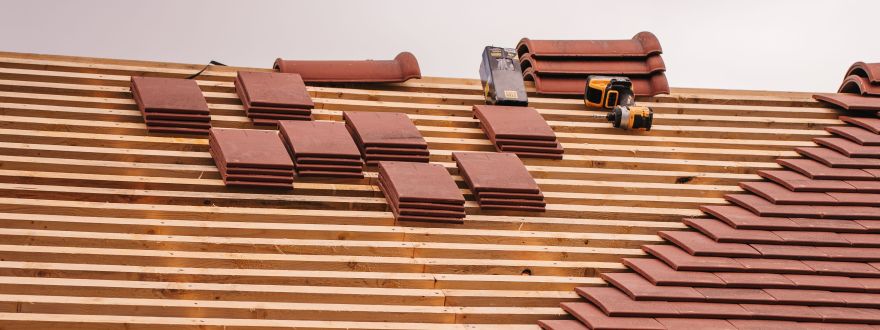
Photo courtesy of Clément Proust via Pexels.com