


Understanding Matching Coverage, Florida's Matching Law, and Why Your Insurance Policy May Not Pay to Make Everything Look the Same
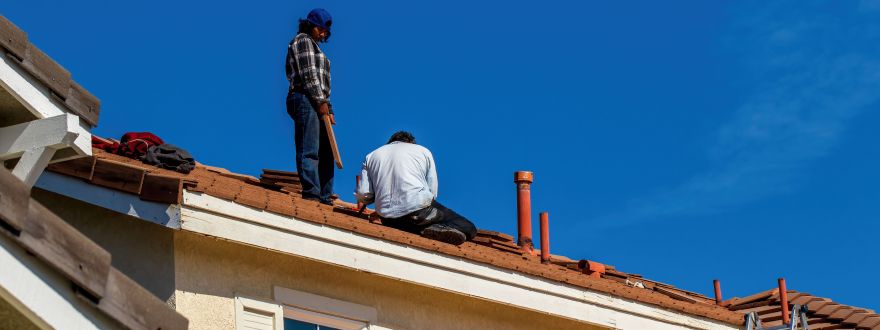
Imagine a hurricane damages a section of your home's roof. You file an insurance claim, your insurance company approves the repairs, and everything seems to be going smoothly.
Then you discover a problem: The shingles being used to repair your roof don't match the existing shingles. The original shingles have faded over time, or the manufacturer no longer makes that particular color or style.
Naturally, you assume your homeowners insurance company will pay to replace the remaining shingles so your roof has a consistent appearance.
Unfortunately, that isn't necessarily the case.
In Florida, homeowners insurance policies may contain limitations or restrictions on matching undamaged portions of your property following a covered insurance claim. These restrictions can leave homeowners responsible for thousands of dollars in additional expenses.
Let's explore what matching coverage is, how Florida law addresses it, and why understanding your insurance policy before a claim occurs is so important.
What Is Matching Coverage in Homeowners Insurance?
Matching coverage refers to the portion of a homeowners insurance policy that addresses differences in appearance between repaired or replaced materials and the undamaged portions of your property.
When your home suffers damage from a covered event, such as a hurricane, fire, or sudden water leak, your insurance company generally evaluates the damage and determines what repairs or replacements are covered under your policy.
However, replacing only the damaged materials may result in noticeable differences in color, texture, quality, or appearance.
Here are a few common examples:
- Roofing: A storm damages a section of your roof, but the replacement shingles or tiles don't match the undamaged sections.
- Flooring: A covered water leak damages the flooring in your kitchen, but the original flooring has been discontinued and doesn't match the flooring in adjoining rooms.
- Kitchen cabinets: A fire damages several kitchen cabinets, but identical replacement cabinets are no longer available.
- Exterior siding: Wind damages one side of your home, but replacement siding looks noticeably different from the undamaged siding.
- Interior finishes: A covered loss damages a portion of a wall or ceiling, and the repaired section cannot reasonably match the surrounding finishes.
In each situation, the damaged portion of the property may be covered by insurance. However, the question becomes whether the insurance company is also obligated to pay to repair or replace undamaged materials to achieve a reasonably uniform appearance.
That's where Florida's matching law and your homeowners insurance policy come into play.
Does Florida Law Require Insurance Companies to Match Undamaged Property?
Florida has a law specifically addressing matching requirements for homeowners insurance claims.
Under Florida Statute 626.9744, when replacement materials don't match existing materials in quality, color, or size, an insurer generally must make reasonable repairs or replacements in adjoining areas, unless the policy provides otherwise.
The law also allows insurers to consider several factors when determining the appropriate extent of those repairs, including:
- The cost of repairing or replacing undamaged portions of the property.
- The degree of uniformity that can be achieved without replacing additional materials.
- The remaining useful life of the undamaged materials.
- Other relevant circumstances surrounding the claim.
This law was designed to address situations where replacing only damaged materials could leave a homeowner with noticeably mismatched property.
However, there is one particularly important phrase in the statute:
"Unless otherwise provided by the policy."
Those words make a significant difference.
They mean homeowners shouldn't assume Florida law automatically guarantees that their insurance company will pay to replace every undamaged material necessary to create a matching appearance.
The actual insurance policy, including its limitations and endorsements, plays a critical role in determining coverage.
Source: Florida Statute 626.9744
Florida Insurance Companies Have Introduced Matching Coverage Limitations
Over the past several years, some Florida homeowners insurance companies have introduced policy provisions specifically limiting the amount they will pay to replace undamaged materials solely for matching purposes.
According to an October 2023 article published by Claims Journal, the Florida Office of Insurance Regulation had approved policy forms from at least eight property insurance companies that limited matching coverage.
The article identified insurers including American Integrity, Edison, Florida Peninsula, Monarch National, and several others as having received approval for policy forms containing matching limitations.
These particular endorsements established a maximum matching payment equal to 1% of the home's Coverage A (Dwelling) limit.
This was a significant development in Florida's homeowners insurance market because it placed a defined financial limit on certain matching expenses that might otherwise have been evaluated under broader matching requirements.
It's important to understand that an approved endorsement does not necessarily mean every policy issued by that insurance company contains the limitation. Coverage depends on the specific policy forms and endorsements in effect.
Source: Claims Journal – Florida Insurers Imposing New Limits on Amounts Spent to Match Appearance
What Does a 1% Matching Limitation Actually Mean?
Let's look at a hypothetical example.
Suppose your Florida homeowners insurance policy has the following coverage:
- Coverage A – Dwelling: $500,000
- Matching Coverage Limitation: 1% of Coverage A
- Maximum Matching Coverage: $5,000
Now imagine a hurricane damages a portion of your home's tile roof.
Your insurance company determines the storm damage is covered and agrees to replace the damaged roof tiles.
Unfortunately, the existing roof tiles have been discontinued, and the replacement tiles won't match the undamaged sections.
A roofing contractor determines that replacing additional undamaged tiles to achieve a reasonably uniform appearance would cost $20,000.
If your policy contains a 1% matching limitation, the insurance company's payment for those otherwise eligible matching expenses could be limited to $5,000.
That leaves a potential $15,000 difference the homeowner may need to pay out of pocket if they choose to complete the additional matching work.
And remember, this potential expense could be in addition to your homeowners insurance deductible.
Importantly, the matching limitation generally applies to expenses incurred solely to match undamaged materials. It does not necessarily impose that same limit on the repair or replacement of materials that actually sustained covered physical damage.
The exact distinction depends on the policy language, claim circumstances, and any applicable building code requirements.
Does Matching Coverage Only Apply to Roofs?
Absolutely not!
While roof damage is one of the most commonly discussed examples of matching disputes in Florida, these limitations can affect many other parts of your home.
Consider a homeowner who experiences a covered water leak that damages hardwood flooring in the kitchen.
The same hardwood flooring extends continuously through the dining room and living room.
Unfortunately, the original flooring is no longer manufactured.
Even if the insurance company pays to replace the damaged kitchen flooring, the new flooring could look noticeably different from the flooring throughout the rest of the home.
The homeowner might reasonably want the adjoining floors replaced to maintain a consistent appearance.
However, if their policy includes a matching limitation, the additional work required to achieve that uniform appearance could be subject to a specific coverage restriction.
Similar issues can arise with cabinets, countertops, siding, wall finishes, and other building materials.
This is why matching limitations should be considered when reviewing the entire homeowners insurance policy, not just roof coverage.
Matching Coverage and Florida's Roof Replacement Rules Are Not the Same Thing
Another important distinction involves Florida's building code requirements.
Historically, Florida's roofing regulations included a rule commonly referred to as the 25% roof replacement rule. Under certain circumstances, repairing or replacing more than 25% of a roof within a 12-month period could trigger requirements to bring a larger portion of the roof into compliance with applicable building codes.
Florida subsequently revised its roofing requirements, including exceptions that may allow qualifying roofs to undergo partial replacement rather than requiring replacement of the entire roof.
These building code requirements are separate from insurance policy matching provisions.
In other words, there is a difference between:
Replacing additional roofing materials because building codes require it, and
Replacing otherwise undamaged roofing materials solely because they don't match the repaired area.
The first situation may involve Ordinance or Law coverage, the policy's roof coverage terms, and applicable building codes.
The second may involve a matching coverage limitation.
A homeowners insurance company must evaluate these issues based on the policy language, applicable law, and the circumstances of the loss.
For this reason, homeowners should never assume that a matching limitation automatically determines whether an entire roof must be replaced or what portion of that replacement is covered.
Source: Insurance Journal – From Roof Building Codes to 'Matching' Limits, Some Changes Underway in Florida
Do All Florida Homeowners Insurance Companies Have Matching Limitations?
No. Matching provisions can vary significantly from one insurance company to another.
Some homeowners insurance policies may provide matching coverage subject to the standards outlined in Florida Statute 626.9744.
Other policies may contain specific endorsements that limit the amount payable for matching undamaged materials.
Still others may have different restrictions, conditions, or claim settlement procedures.
It's also possible for different policies offered by the same insurance company to contain different coverage provisions.
This makes it especially important to carefully compare homeowners insurance policies rather than focusing exclusively on the annual premium.
A policy that costs a few hundred dollars less each year might have coverage limitations that create substantial out-of-pocket expenses following a major claim.
That doesn't automatically mean a policy with matching limitations is a bad insurance policy. It simply means homeowners should understand what they're purchasing and make an informed decision about the coverage they're comfortable carrying.
How Can You Tell If Your Homeowners Insurance Policy Limits Matching Coverage?
Matching limitations are not always obvious when reviewing an insurance quote.
Your policy's declarations page typically summarizes major coverage limits and deductibles, but it may not explain every restriction contained in the policy.
To determine whether your homeowners insurance policy includes matching limitations, consider the following steps:
- Review your policy endorsements. Look for language referencing matching limitations, undamaged property, uniform appearance, or restrictions on replacing adjoining materials.
- Ask your insurance agent directly. Specifically ask whether your policy limits payment for matching undamaged portions of the property following a covered claim.
- Understand any applicable dollar limits. If matching coverage is limited to a percentage of Coverage A, calculate what that percentage means in actual dollars.
- Compare coverage between insurance companies. When shopping for homeowners insurance, ask about matching restrictions in addition to deductibles, roof coverage, water damage coverage, and other important policy provisions.
- Review your renewal documents. Insurance companies can sometimes introduce new coverage limitations or endorsements at renewal, subject to applicable requirements.
The most important takeaway is simple: Don't wait until you have an insurance claim to find out whether your policy includes matching limitations.
Why Working With an Independent Insurance Agency Matters
At Evolve Insurance Agency, we believe homeowners should understand their insurance coverage before they ever need to use it.
As an independent insurance agency serving Florida homeowners, we work with multiple insurance companies, allowing us to compare more than just premiums.
While finding competitive rates is important, we also focus on helping our customers understand differences in coverage that could affect them financially following a claim.
Matching limitations are one example of a policy provision that may not receive much attention when shopping for insurance but can become extremely important when something goes wrong.
Whether you're purchasing a new home, shopping for better homeowners insurance rates, or reviewing your existing policy before renewal, our team can help explain the coverage options available to you.
The Bottom Line: Will Your Insurance Pay to Match Undamaged Areas?
The answer depends on your specific homeowners insurance policy.
Florida law addresses matching requirements when covered repairs result in materials that don't match existing undamaged areas. However, insurance policies may contain provisions that modify or limit the amount an insurer is obligated to pay for matching expenses.
For homeowners, the financial consequences can be significant, particularly when dealing with expensive building materials such as tile roofs, hardwood floors, or custom cabinetry.
Before choosing a homeowners insurance policy based solely on price, make sure you understand whether matching limitations apply.
Need help reviewing your Florida homeowners insurance coverage?
Contact Evolve Insurance Agency in Venice, Florida. Our team can help you compare homeowners insurance options, understand important policy limitations, and find coverage that balances protection with affordability.
Disclaimer: This article is intended for general informational purposes only and does not provide legal advice or guarantee coverage. Insurance coverage is subject to the terms, conditions, exclusions, limits, and endorsements of the individual policy, as well as applicable Florida law. Actual claim determinations are made by the insurance company based on the circumstances of the loss.
Photo courtesy of David Brown via Pexels.com